In Home ABA Therapy
Personalized ABA therapy delivered in the comfort of your child’s home.
Supporting Growth in the Home Environment
In-home ABA therapy allows children to learn new skills in the environment where they spend most of their time. Familiar routines provide opportunities to practice communication, daily living skills, and positive behavior in meaningful ways.
ABA S.T.E.P.S. therapists work one-on-one with children using individualized treatment plans developed by a Board Certified Behavior Analyst. Therapy sessions are structured, engaging, and focused on helping children build skills that support greater independence.
Parents and caregivers remain an important part of the process. Collaboration with families helps ensure that new skills continue to develop outside of therapy sessions.

How In-Home ABA Therapy Works
Each child receives a program tailored to their developmental needs and goals.
- structured teaching activities
- communication development
- play and social interaction
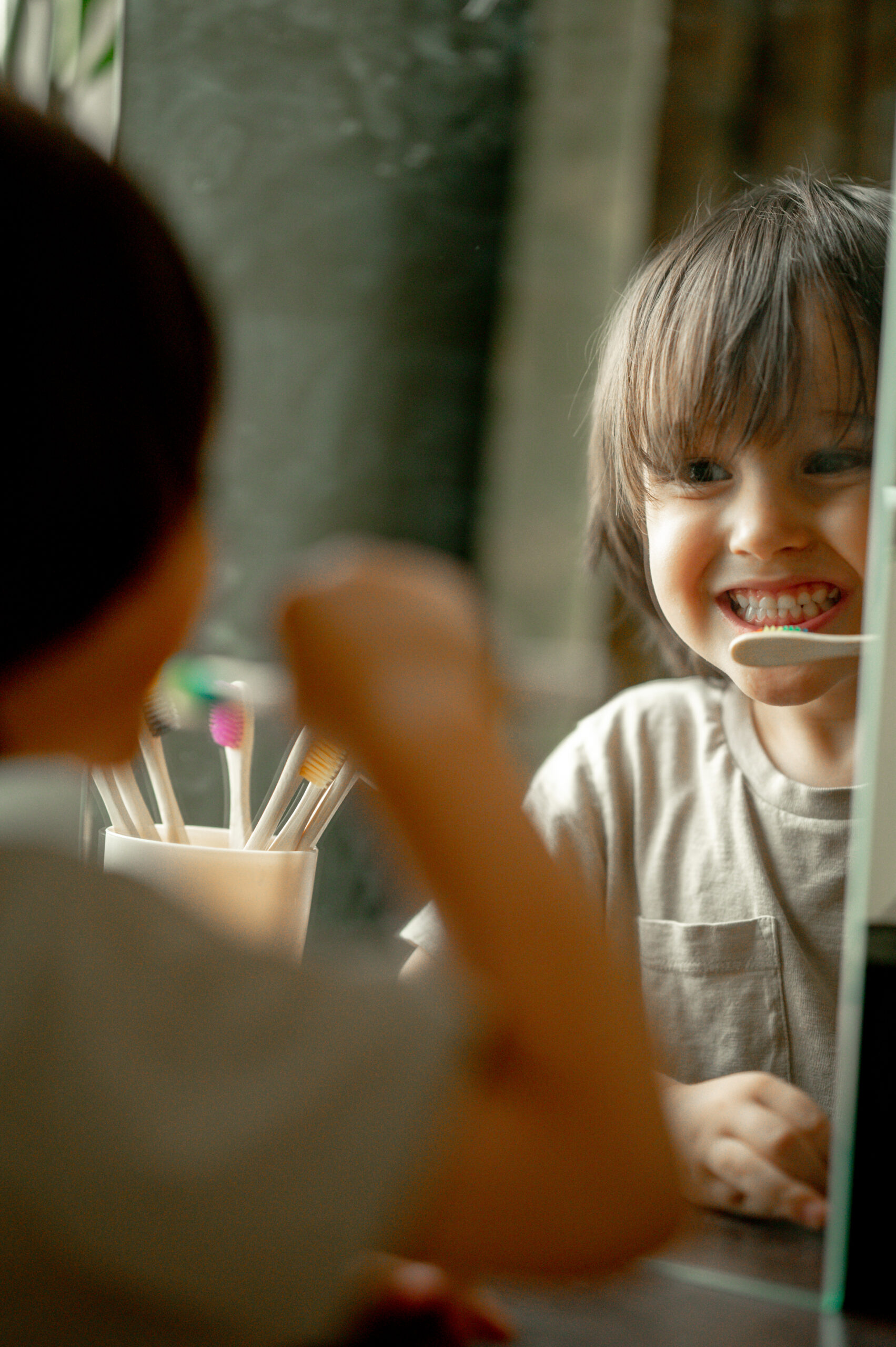
- daily routine practice
- positive behavior support
Therapists collect data throughout sessions so programs can be adjusted as children make progress.
Typical Goals and Areas Targeted in Therapy
Each child’s ABA program is built around individualized treatment goals developed through a comprehensive assessment. These goals focus on skills that support communication, independence, and participation in daily life.
Programs are adjusted over time as children build new abilities and reach important developmental milestones.
Communication Goals
-
Requesting preferred items or activities
-
Responding to simple questions
-
Expanding vocabulary or sentence use
-
Following verbal instructions
-
Using communication systems such as pictures or devices when appropriate
Social Interaction Goals
-
Initiating play with peers or siblings
-
Taking turns during activities
-
Maintaining shared attention during play
-
Responding to greetings and social cues
-
Participating in cooperative play
Learning and Attention Goals
-
Sitting and attending to activities
-
Completing tasks from start to finish
-
Following multi-step instructions
-
Participating in structured learning activities
-
Increasing focus and engagement
Emotional Regulation Goals
-
-
Using appropriate strategies when frustrated
-
Transitioning between activities with less difficulty
-
Tolerating changes in routine
-
Asking for help when needed
-
Using calming strategies during challenging moments
-
Daily Living Skills
-
Following daily routines
-
Dressing or managing clothing independently
-
Cleaning up toys or materials after activities
-
Completing simple household tasks
-
Practicing independence during everyday routines
***IMPORTANT NOTE***
Every child’s goals are different. Therapy plans are developed by a Board Certified Behavior Analyst and adjusted regularly based on progress and family priorities.