Social & Life Skills
Helping children build meaningful connections, independence, and confidence in everyday situations
Building Skills That Matter in Daily Life
Social and life skills are essential for a child’s independence and overall well-being. Many children with autism benefit from structured support to learn how to communicate, interact with others, and navigate everyday situations.
ABA S.T.E.P.S. focuses on teaching these skills in a way that is practical, supportive, and tailored to each child. Sessions are designed to help children apply what they learn across home, school, and community settings.
WHAT THIS SERVICE FOCUSES ON
Areas We Target
Therapy is individualized, but common areas of focus include:
-
Initiating and maintaining conversations
-
Understanding social cues and body language
-
Turn-taking and sharing
-
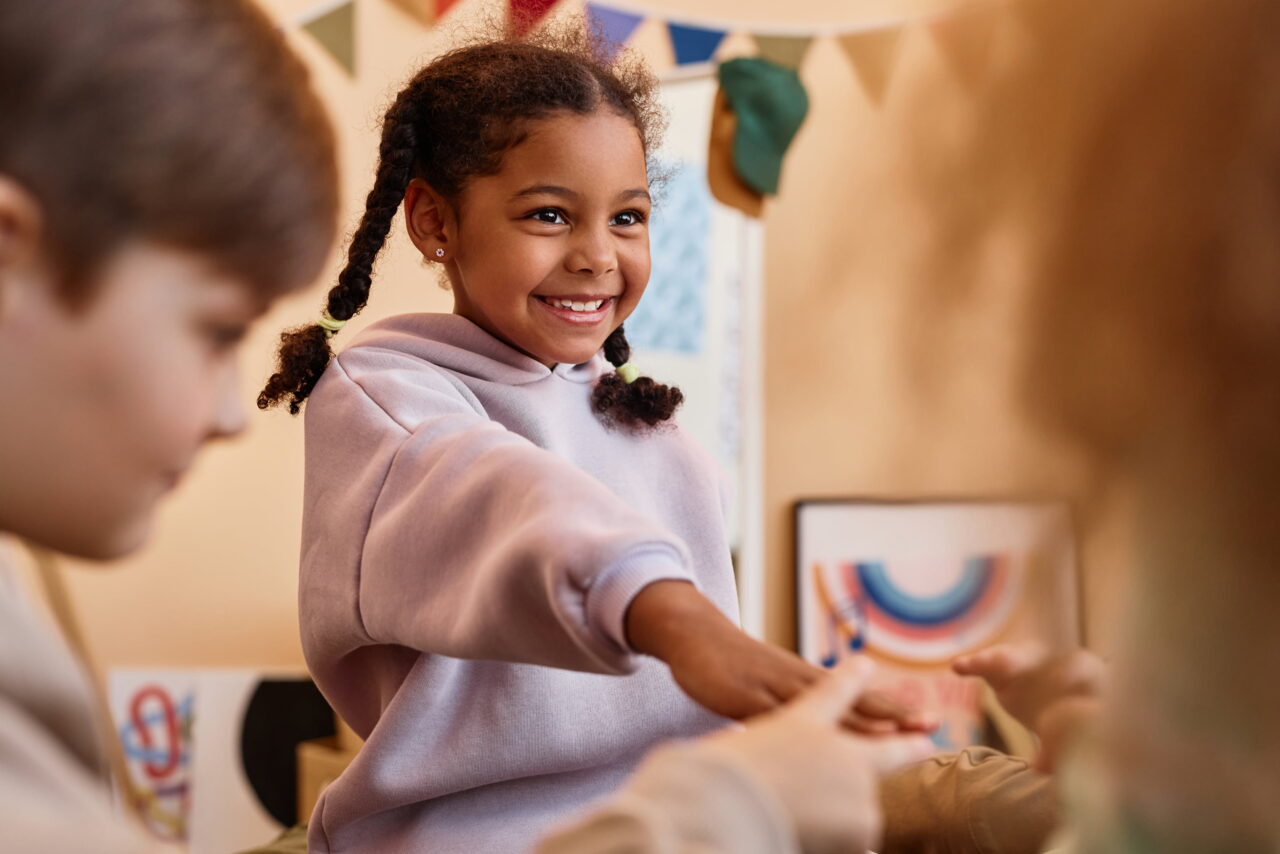
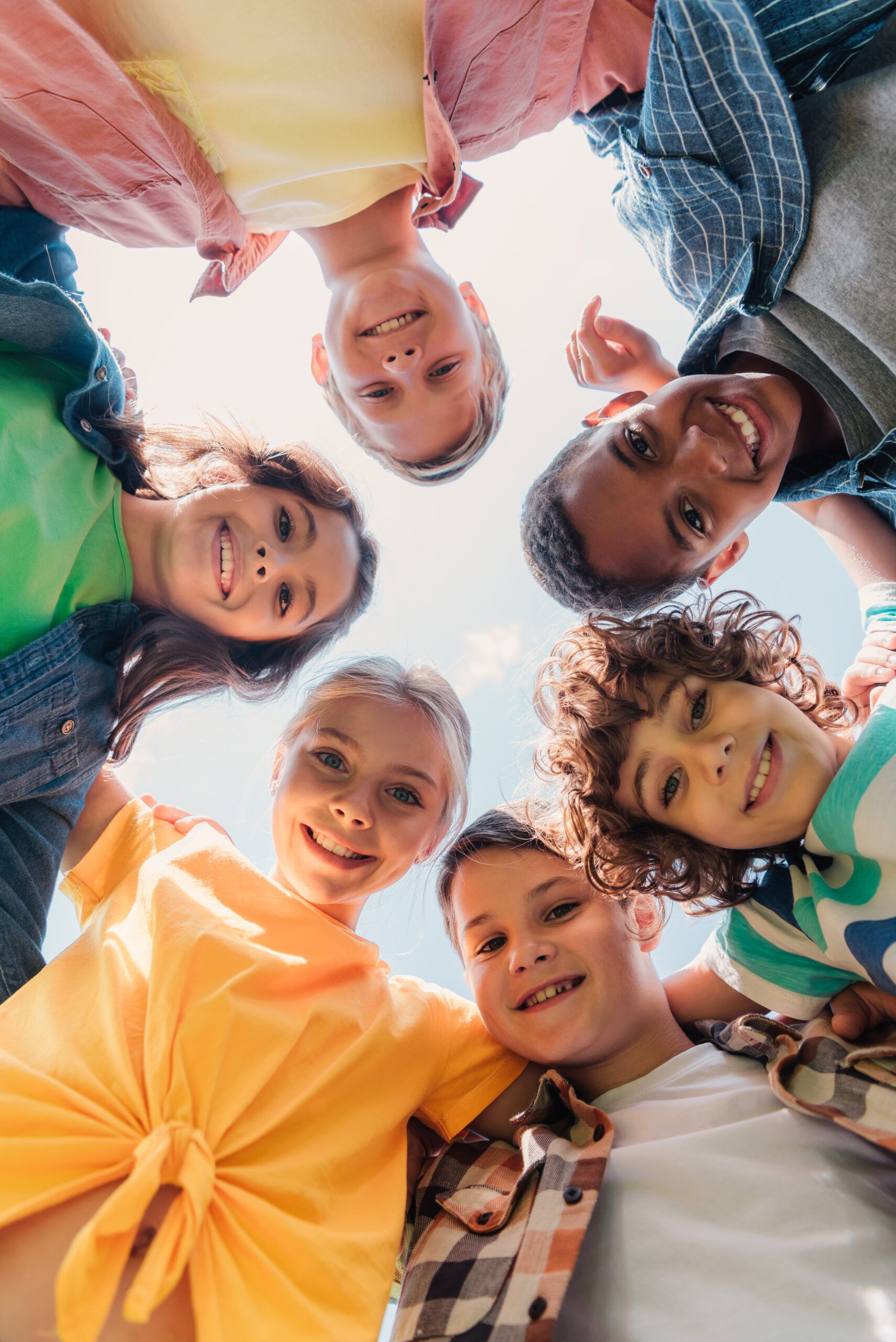
Playing and interacting with peers
-
Following group instructions
-
Emotional regulation and coping strategies
-
Daily living skills (getting dressed, hygiene, routines)
-
Building independence in everyday tasks
Therapists collect data throughout sessions so programs can be adjusted as children make progress.
How Social & Life Skills Are Taught
We don’t rely on one approach. Skills are taught through a combination of structured teaching and real-life practice.
Structured Teaching
Skills are broken down into manageable steps and practiced in a supportive environment.
Natural Environment Practice
Children practice skills during real interactions, helping them apply what they’ve learned in meaningful situations.
Repetition & Reinforcement
Consistent practice helps build confidence and long-term retention.
Generalization
We ensure skills transfer across different settings, people, and situations.
EXAMPLE GOALS
-
Responding to social greetings
-
Waiting appropriately during transitions
-
Engaging in back-and-forth conversation
- Completing daily routines independently
-
Asking for help appropriately
-
Joining a peer activity without prompting
-
Following multi-step directions
-
Managing frustration without escalation

Where We Practice Theses Skills
Social and life skills can be developed in multiple settings depending on your child’s needs:
-
In-home sessions
-
Community settings (parks, stores, activities)
-
Small group environments (when appropriate)
This helps ensure skills are functional and relevant to everyday life.

Who This Service Is For
This service may be a good fit if your child:
-
Has difficulty interacting with peers
-
Struggles with transitions or routines
-
Needs support with communication or emotional regulation
-
Benefits from structured guidance in social settings